
Anticipate & Assess
Understand work, identify hazards and establish credible exposure evidence before harm becomes visible.
- Workplace diagnostic
- Hazard mapping
- Exposure intelligence
Occupational medicine · Industrial hygiene · Workplace health systems
Explore the books
Physician-led workplace-health systems that connect exposure evidence, worker health and preventive action—from the shop floor to the boardroom.
A health check can be useful. Occupational health becomes preventive only when it connects findings with the work that may shape them.
Begin with the workplace.
Then design surveillance, care and control around real risk.Occupational medicine and occupational hygiene become more powerful when evidence moves in both directions—and every finding leads to action.
Understand processes, hazards and exposed worker groups.
Build credible evidence about exposure and controls.
Design and interpret health surveillance around actual risk.
Recommend preventive action at source and along the pathway.
Follow referrals, restrictions, controls and emerging patterns.
Close actions, review outcomes and renew the cycle.
Exposure evidence shapes surveillance. Health patterns, in turn, help test whether controls are working.
Each pillar answers a different question. Together, they protect health across the full working life.
Understand work, identify hazards and establish credible exposure evidence before harm becomes visible.
Design clinical surveillance around jobs, exposures and working life—not around a generic test list.
Create dependable care, emergency, fitness, rehabilitation and return-to-work pathways.
Protect confidentiality, strengthen capability and convert de-identified patterns into accountable action.
Choose a focused intervention or build an integrated programme. Every engagement begins with context, risk and defined professional responsibility.
Anticipate & Assess
See the whole workplace-health system before deciding what to fix first.
Explore serviceAnticipate & Assess
Measure what workers encounter—not only what the workplace appears to contain.
Explore serviceSurveil & Safeguard
Match surveillance to the job, the exposure and the worker—not to a generic test package.
Explore serviceRespond & Restore
Make the Occupational Health Centre the hub of prevention, care and continuity.
Explore serviceRespond & Restore
Protect safety while preserving ability, dignity and livelihood wherever possible.
Explore serviceRespond & Restore
Turn equipment and plans into a coordinated medical response system.
Explore serviceGovern & Improve
Protect individual confidentiality while turning patterns into responsible action.
Explore serviceGovern & Improve
Move from scattered evidence to a governed programme with clear accountability.
Explore serviceGovern & Improve
Build practical capability where occupational health is actually delivered.
Explore serviceWorkplace health needs both the physician's clinical judgement and the hygienist's evidence about exposure. Neither should work in isolation.
Occupational physician
Occupational hygienist
Different operations create different exposure pathways, job demands and response constraints. Our approach adapts without losing a common standard of care.
Complex exposure · High consequence
Deep work · Long-latency risk
Many processes · One connected system
Changing sites · Mobile risk
Movement · Shifts · Interface risk
Critical systems · Safety-critical work
A defined starting point, transparent scope and measurable hand-offs make change easier to govern.
A focused single-site assessment, priority register and implementation roadmap.
A structured design for surveillance, OHC operations, data, SOPs and governance.
Recurring clinical, hygiene, reporting and quality-assurance support with defined coverage.
Common standards, central oversight, local delivery and comparable de-identified insight.
Pooled multidisciplinary capability for smaller establishments with named responsibility.
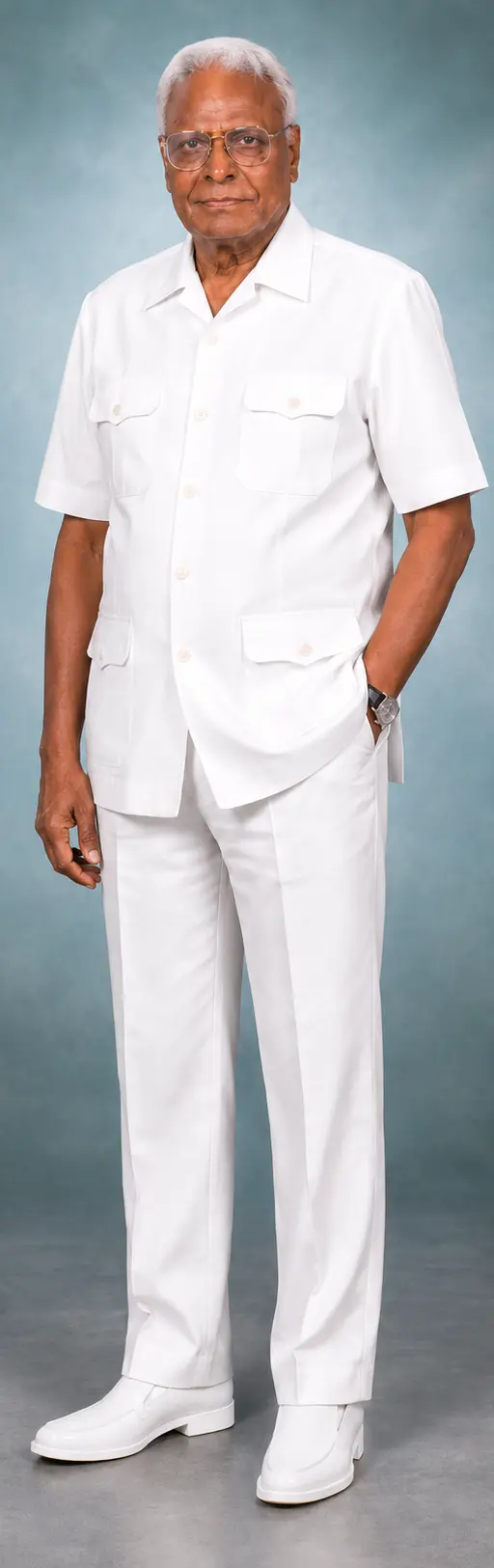
Dr. G. Jayaraj’s journey—from childhood hardship in the Kolar Gold Fields to industrial medicine, teaching and advocacy—has built a deeply practical conviction: prevention must reach the worker where work happens.
Occupational health should protect a person’s ability to live and work with dignity—not merely certify fitness.
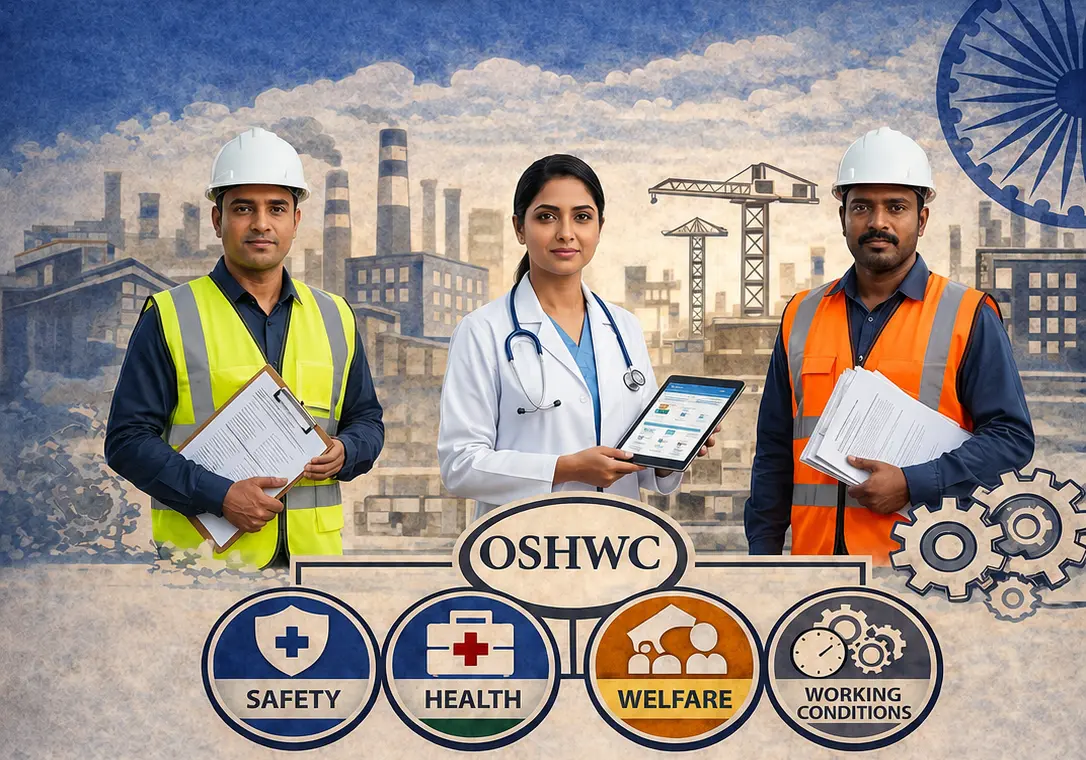
A practitioner-oriented reference connecting statutory architecture with the field realities of occupational medicine, hygiene, worker protection and responsible implementation.
Learn. Prepare. Practice. Protect.
A learning and workplace-practice platform for doctors and healthcare professionals pursuing or practising occupational health in India.
Explore the OHF AppPrepare
Academic, revision and practical support for doctors preparing for AFiH.
Practise
Free, practical support for Factory Medical Officers in day-to-day practice.
Clear explanations for leaders, practitioners and worker representatives building prevention beyond the checklist.
Foundations · 6 min read
A preventive discipline begins with work, exposure and working life—not only with a clinical finding.
Read insightHealth Surveillance · 7 min read
Screening becomes occupational health only when it is connected to exposure, interpretation and action.
Read insightProfessional Practice · 6 min read
One studies health in relation to work; the other studies exposure in the environment. Prevention needs both.
Read insightA few principles that clarify how preventive workplace-health practice should work.
Begin with a confidential discussion about your workforce, risks and priorities.
Request a health review